

Atropine Sulfate Injection
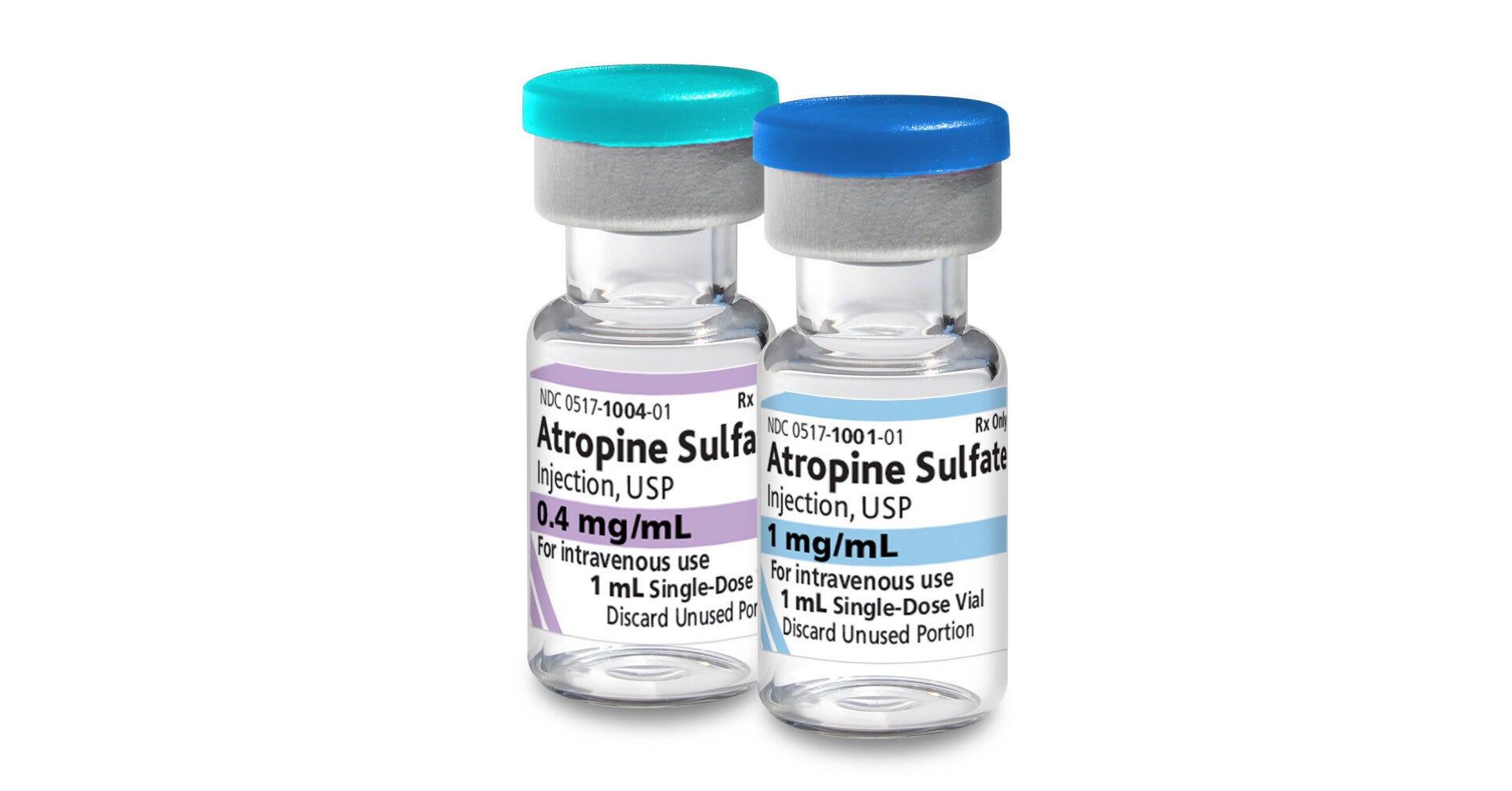
Atropine is a medication used to treat various medical conditions, primarily related to the heart and nervous system. Here's a detailed description:
What is Atropine?
Atropine is an anticholinergic medication that works by blocking the action of acetylcholine, a neurotransmitter in the body. It's derived from the deadly nightshade plant (Atropa belladonna) and has been used for centuries in medicine.
Uses:
1. Bradycardia: Treats slow heart rate (bradycardia) by increasing heart rate.
2. Organophosphate poisoning: Used as an antidote for organophosphate poisoning, such as pesticide exposure.
3. Anesthesia: Used to reduce saliva production and respiratory secretions before surgery.
4. Eye exams: Dilates pupils for eye exams and treats certain eye conditions.
5. Gastrointestinal issues: Treats stomach spasms, cramps, and irritable bowel syndrome (IBS).
How it works:
Atropine blocks acetylcholine receptors, leading to:
1. Increased heart rate
2. Reduced secretions (saliva, sweat, digestive enzymes)
3. Relaxation of smooth muscles (e.g., gastrointestinal tract)
Administration:
1. Injection (IV or IM): For emergency situations, such as bradycardia or organophosphate poisoning.
2. Oral tablets: For conditions like IBS or stomach spasms.
3. Eye drops: For eye exams or conditions like uveitis.
Common side effects:
1. Dry mouth
2. Blurred vision
3. Constipation
4. Urinary retention
5. Tachycardia (rapid heart rate)
Serious side effects:
1. Confusion
2. Hallucinations
3. Seizures
4. Coma (rare)
Contraindications:
1. Glaucoma
2. Myasthenia gravis
3. Certain hea
rt conditions (e.g., tachycardia, heart block)